
The cheapest number
is not the whole quote.
Two prices only become comparable when they describe the same truck, the same handover and the same responsibilities.

One quote ends at a Japanese yard. Another ends at your driveway. Put their headline prices next to each other and you have a very tidy comparison of two different things. A useful quote review starts by making the scope visible. Arithmetic comes second.
A blank cost field is a question. It is not a discount.
First, make sure it is the same proposition.
Ask whether each quote describes an identified vehicle or a search target. Keep the manufacture date and chassis reference alongside the specification. Record the condition evidence and whether equipment is included or merely shown. A model name alone is not enough to compare two used vehicles.
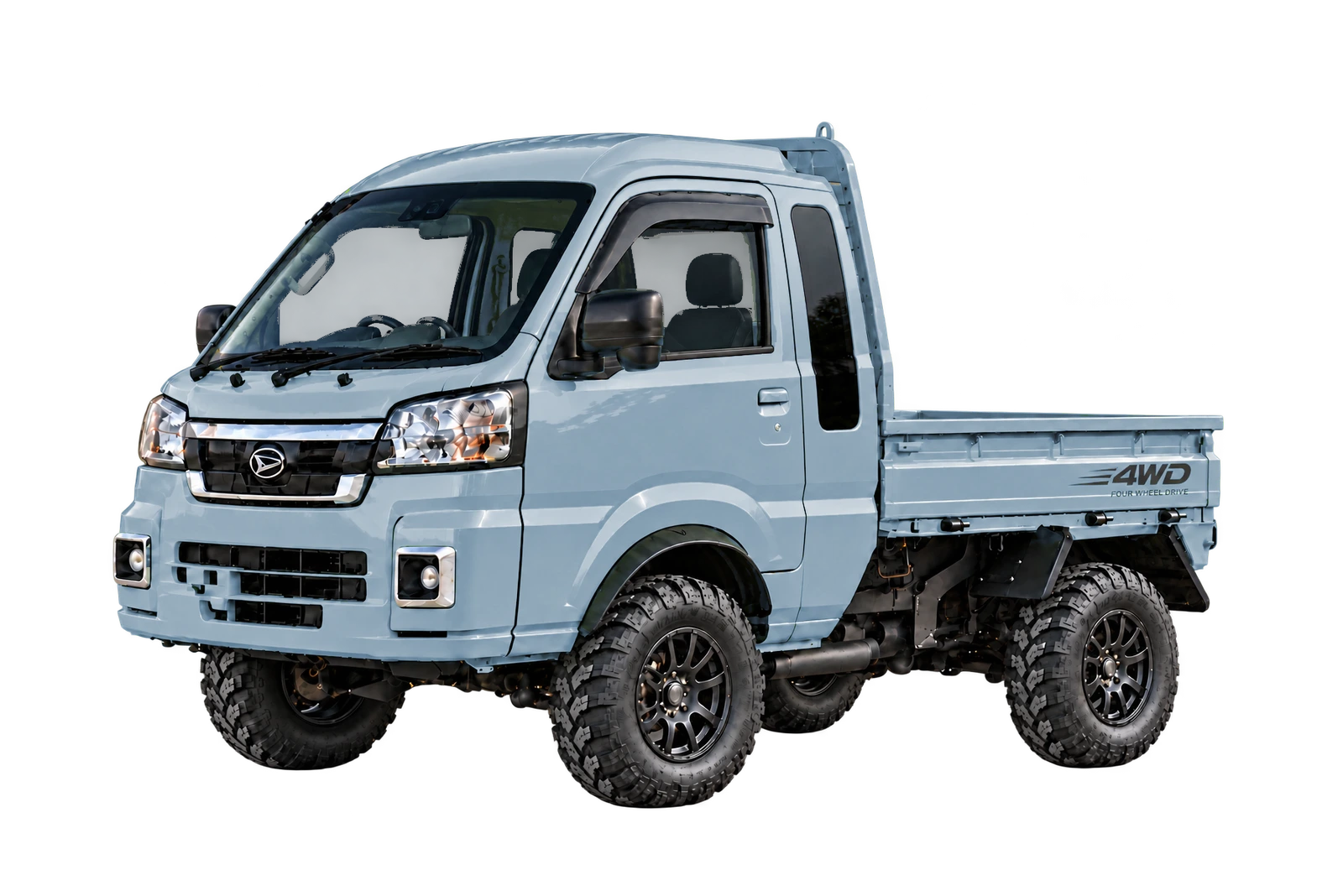
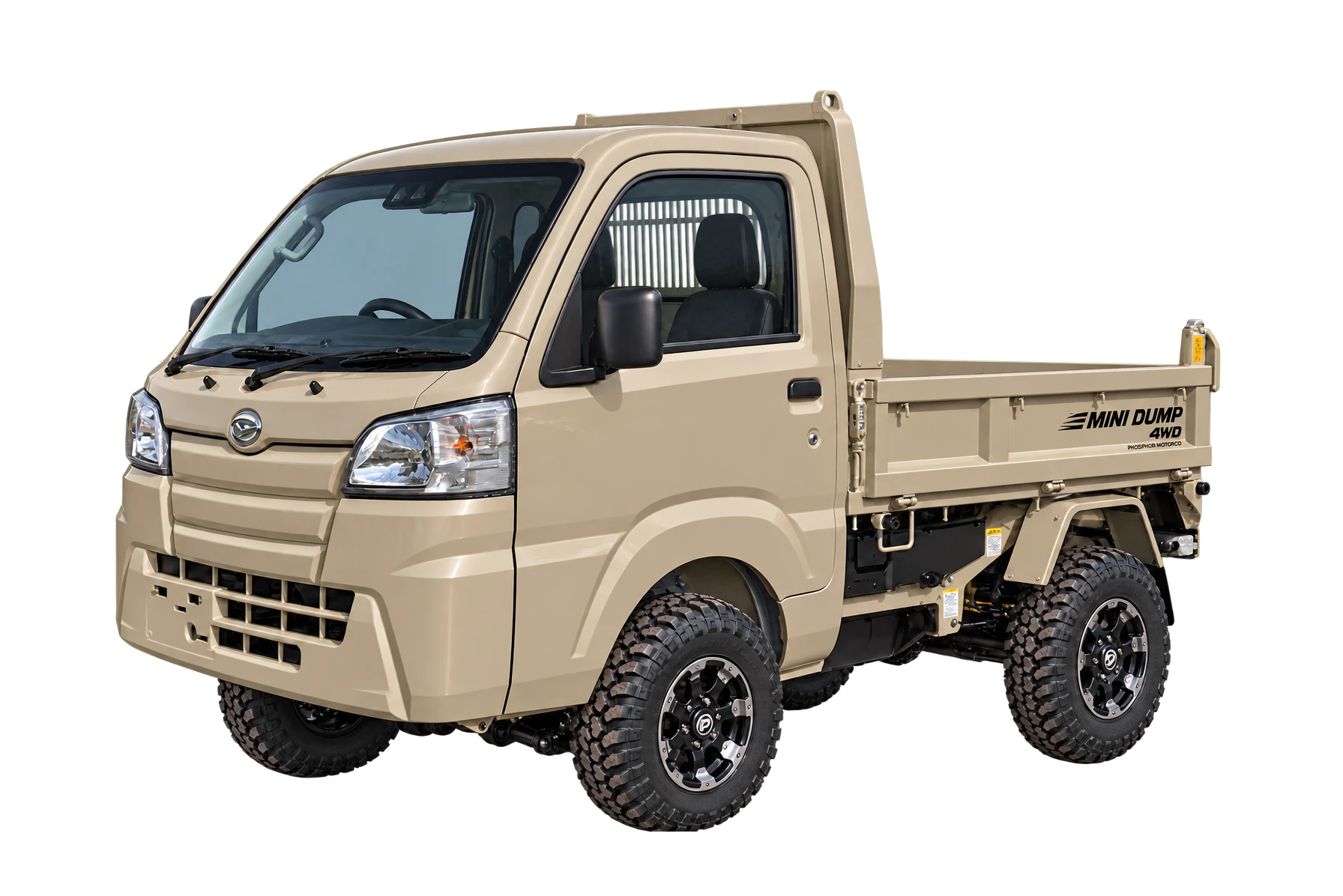
Treat photographs with the same care. A design render can explain a finish. It cannot tell you whether the truck being offered has corrosion, missing documents or a damaged bed. Ask which images belong to the actual unit.
Choose the same finishing line.
Write down the handover location for each quote. Then ask who is responsible for each stage between seller and handover. Separate the truck price from preparation, handling, transport and the other applicable costs. Unknown amounts should stay visibly unknown.
The International Trade Administration explains that Incoterms allocate specified responsibilities and risks in international sales. They do not, by themselves, settle ownership transfer or every contractual question. Ask for the named place and rule version where a trade term is used. Three letters are not the whole agreement.
Check the source
International Trade Administration / Know Your Incoterms ↘Trade terms allocate specified transport responsibilities and risks. They do not settle every sale term or ownership transfer.
Compare the questions, not invented totals.
Use the same worksheet for each provider. Mark each line included, excluded or unresolved. Where a number is an estimate, ask what can change and who approves the change. Keep its currency and expiry attached. A converted total without an exchange-rate basis is still unfinished.
| Comparison line | What to ask |
|---|---|
| Vehicle | Exact identity, configuration and condition evidence |
| Preparation | What work is included and who authorizes changes |
| Transport | Named handover point and responsibility at each stage |
| Other applicable costs | Handling, insurance, customs and tax scope confirmed by the responsible professional |
| Timing | Availability, quote validity and what can change |
| Written terms | Seller identity, payment milestones and cancellation terms |
Ask for a written explanation of the difference.
A lower price may reflect a genuinely better deal. It may also reflect a different condition, a different destination or work that has not been included. Do not assume either answer. Ask the provider to explain the gap in writing.
Suzuki explicitly notes exclusions around its Japanese domestic reference prices. That is a useful reminder: a manufacturer price shown in Japan is not automatically the amount to acquire and hand over a vehicle elsewhere.
Check the source
Suzuki / Carry and Super Carry ↘The manufacturer presents Carry and Super Carry separately. Its domestic reference prices have stated exclusions.
Keep price and eligibility in separate columns.
A complete-looking quote does not establish that the proposed import route or intended use is permitted. Use the relevant EPA and NHTSA resources with a qualified reviewer for the exact case. Do not ask a cheap freight price to do the work of a compliance record.
When asking Phosphor to compare a quote, send the relevant scope and redact unrelated personal or payment information. This article is a comparison method, not a binding price-match policy or a live quotation.
Check the source
U.S. EPA / Importing vehicles and engines ↘EPA separates vehicle and engine import resources and notes that other agencies also have requirements.
NHTSA / Importing a vehicle ↘NHTSA provides distinct import declarations and eligibility resources for vehicle safety requirements.
Before comparing two quotes
Tick what you have covered. Checks stay on this page only and are not submitted or saved.
0 of 5 covered
Read it at the source.
Checked October 27, 2026. English summaries of Japanese sources are editorial paraphrases. No third-party photography is reproduced.
Know Your Incoterms ↗
Trade terms allocate specified transport responsibilities and risks. They do not settle every sale term or ownership transfer.
What this does not establish
This overview is not the full ICC rulebook or advice for a particular contract.
Carry and Super Carry ↗
The manufacturer presents Carry and Super Carry separately. Its domestic reference prices have stated exclusions.
What this does not establish
These Japanese-market references are not landed U.S. prices or specifications for Phosphor concepts.
Importing vehicles and engines ↗
EPA separates vehicle and engine import resources and notes that other agencies also have requirements.
What this does not establish
The overview does not decide a particular vehicle route or state registration.
Importing a vehicle ↗
NHTSA provides distinct import declarations and eligibility resources for vehicle safety requirements.
What this does not establish
This is not a finding that a given vehicle may be imported, titled or driven on public roads.
These notes organize a conversation. They do not verify a vehicle, establish a contract or decide import, title or road-use eligibility. Current requirements and exact-unit evidence need separate review.
From the note to the truck.
A little more reading.
Choose the work.
Then the truck.
A single cab, a Jumbo, a dump or a van? Start with what has to happen on an ordinary Tuesday.
An engine code
is not a passport.
A badge, an engine family and a certification record answer different questions. Here is how to keep them from borrowing each other’s authority.